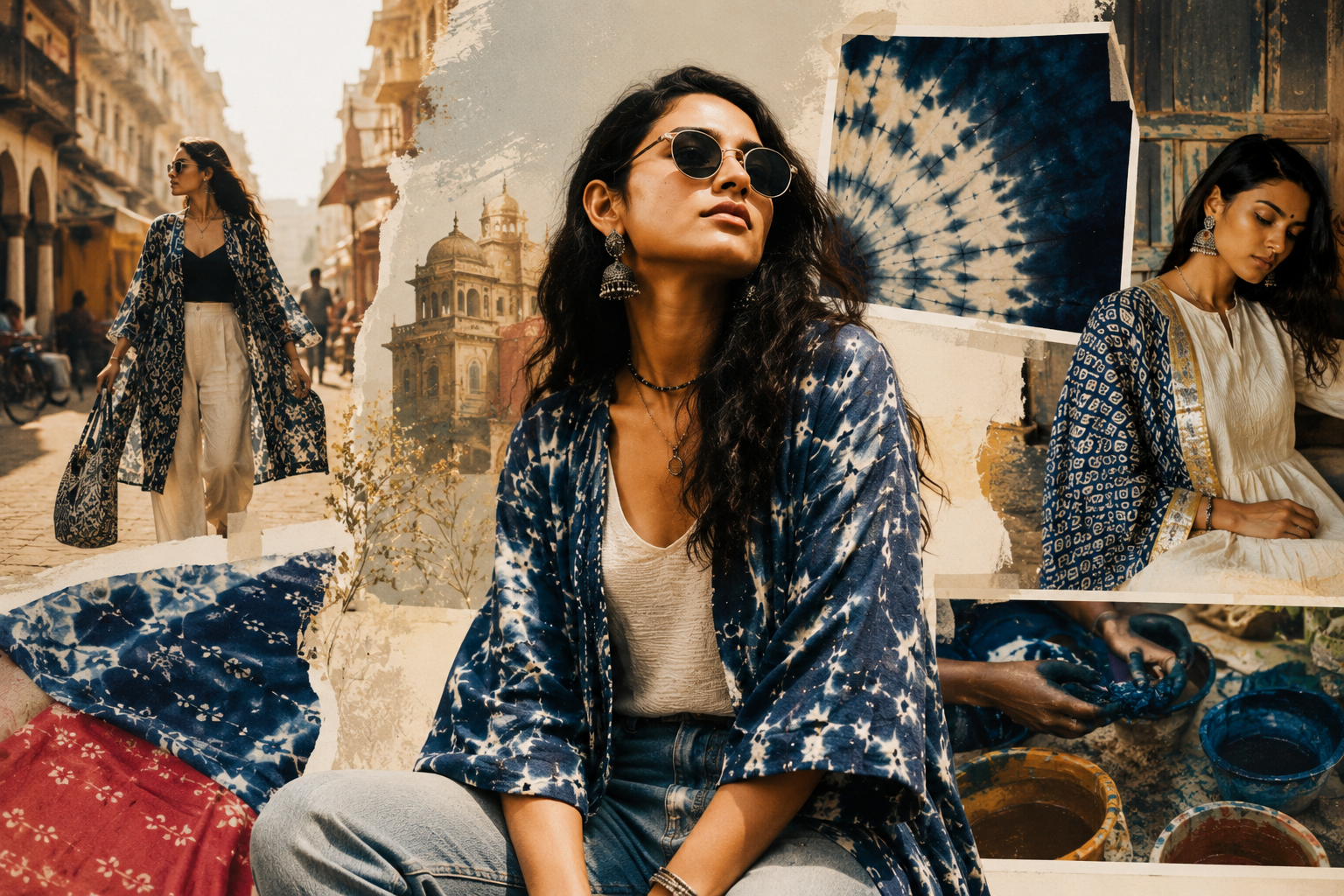
In a world where fashion changes faster than Instagram reels, one thing is becoming crystal clear — Indian girls are no longer dressing to “fit in.” They are dressing to express. And somewhere between dadi’s old bandhani dupatta and Gen-Z’s oversized streetwear, a whole new fashion language is being born.
That’s exactly why labels like NorBlack NorWhite are becoming more than just fashion brands. They’re becoming cultural movements.
From “Perfect Fashion” To Personal Fashion
For years, Indian fashion was trapped between two extremes:
- Either heavily traditional
- Or blindly westernised
But today’s generation wants both.
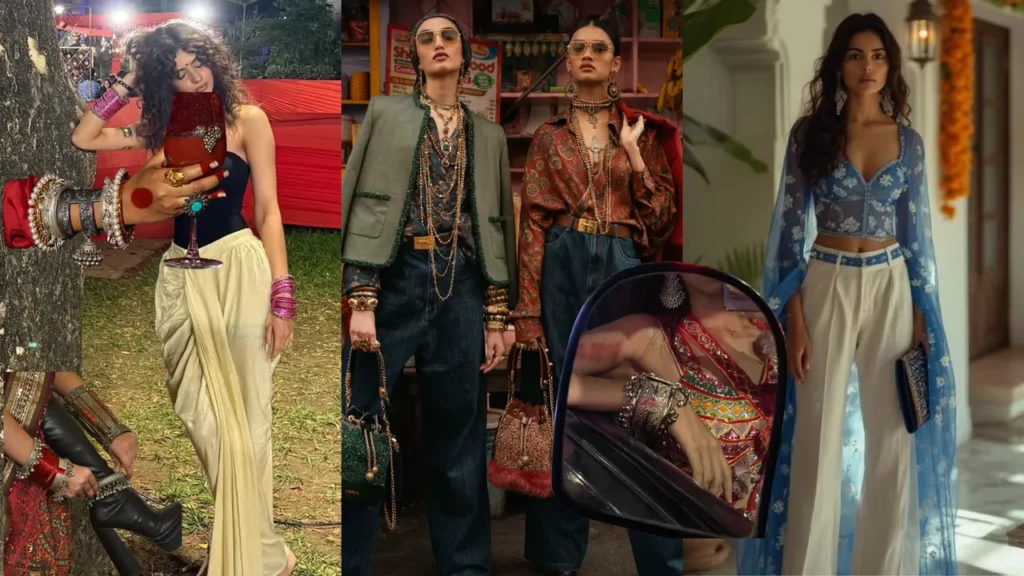
A girl can wear silver jhumkas with cargos.
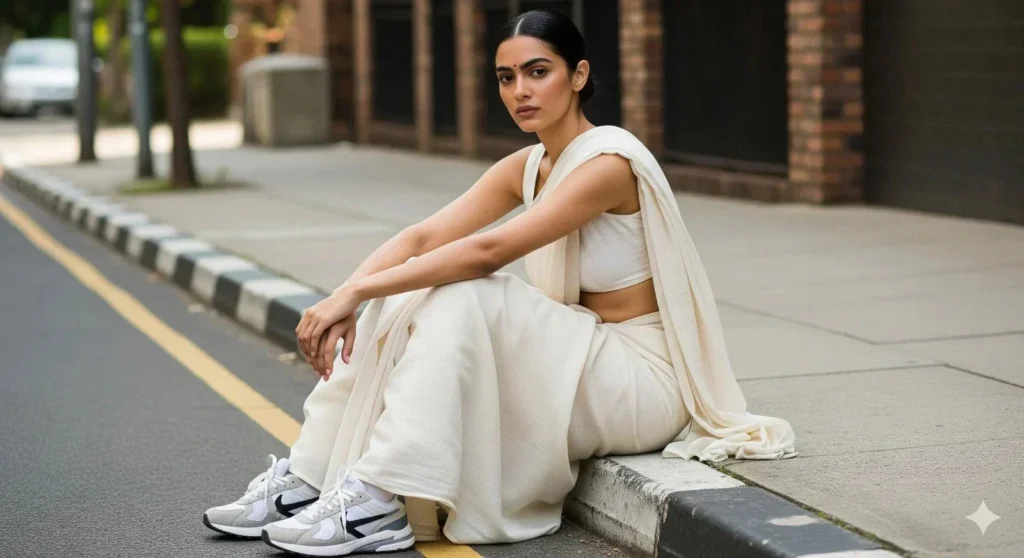
A saree with sneakers.
A bandhani jacket over a black bralette.
And somehow — it works.
Because modern Indian fashion is no longer about rules.
It’s about identity.
The rise of homegrown labels, indie creators, and textile-focused fashion proves that people are craving authenticity again. Handcrafted details, regional fabrics, imperfect dye patterns, and raw silhouettes are suddenly cooler than mass-produced luxury.
And honestly? That shift was overdue.
Why Gen-Z Is Obsessed With Indian Crafts Again
A few years ago, handloom was considered “too ethnic” for everyday style.
Now? It’s dominating Pinterest boards, fashion weeks, and celebrity wardrobes.
From ikkat co-ords to ajrakh shirts and tie-dye streetwear, Indian textiles are having their biggest comeback moment.
The reason is simple:
Fast fashion made everybody look the same.
So now people want clothes that feel personal.
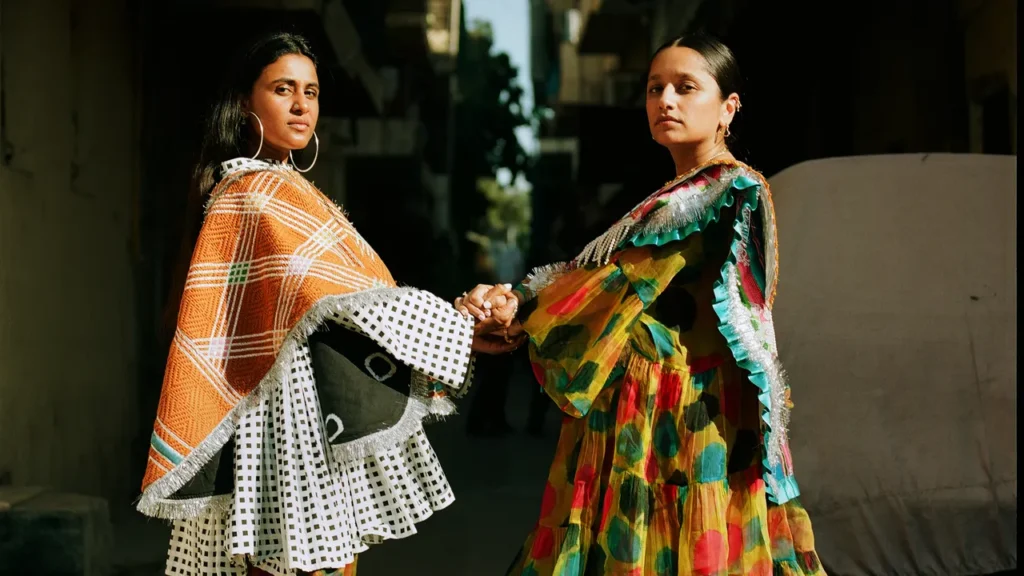
Brands like NorBlack NorWhite understood this early. Instead of copying global trends, they turned Indian craft into wearable street culture. Their iconic tie-dye work, “Aunty” tees, and reinterpretation of regional textiles created a new visual identity that felt proudly Indian without looking outdated.
And that’s the real revolution:
Indian fashion no longer needs western validation to feel cool.
The “Beti Aur Amma” Fashion Connection
What makes this shift beautiful is how deeply it connects generations.
Today’s daughters are styling things their mothers once wore traditionally:
- Amma’s old printed sarees becoming dresses
- Vintage dupattas turning into shrugs
- Handmade embroidery being styled with denim
- Old jewellery becoming statement fashion
Fashion is becoming emotional again.
Not just aesthetic.
Somewhere between old trunks, wedding fabrics, and forgotten textiles, girls are rediscovering stories attached to clothing.
And maybe that’s why handmade fashion feels different.
Because it carries memory.
The End Of Loud Luxury?
One of the biggest shifts in 2026 fashion is the move away from obvious luxury branding.
People are slowly choosing:
- Texture over logos
- Craft over hype
- Story over status
Even globally, fashion trends are leaning toward sustainability, smaller drops, limited collections, and intentional buying.
Consumers are asking:
“Who made my clothes?”
“Where did this fabric come from?”
“Why does this piece matter?”
That mindset is reshaping Indian fashion too.
Many independent labels are now creating fewer collections, working directly with artisans, and focusing on slow fashion instead of trend-chasing.
And ironically, that makes their clothes feel more exclusive than luxury brands trying too hard to stay relevant.
Fashion In 2026 Is About Energy
The biggest trend right now isn’t a colour.
It isn’t a silhouette.
It isn’t even an aesthetic.
It’s individuality.
The coolest girls today don’t look identical anymore.
They look personal.
One mixes streetwear with craft.
Another styles men’s shirts as dresses.
Someone else wears only monochrome handloom pieces.
There’s no single “right” fashion identity anymore.
And maybe that’s what makes this era exciting.
Because for the first time in a long time, Indian fashion feels free.
Recent News


Leave a Comment